Why the World's Top Putting Coaches Rely on Attachment Sensors for Real-Time Feedback
In the world of professional golf coaching, the choice of technology is often dictated by trust, accuracy, and real-world applicability. While simulators and fixed lab systems serve a purpose, a significant number of the world's most successful putting coaches choose putter attachment sensors for day-to-day instruction.
This choice is not arbitrary; it is rooted in the unparalleled advantages that direct measurement provides.
The Three Pillars of Attachment Sensor Superiority
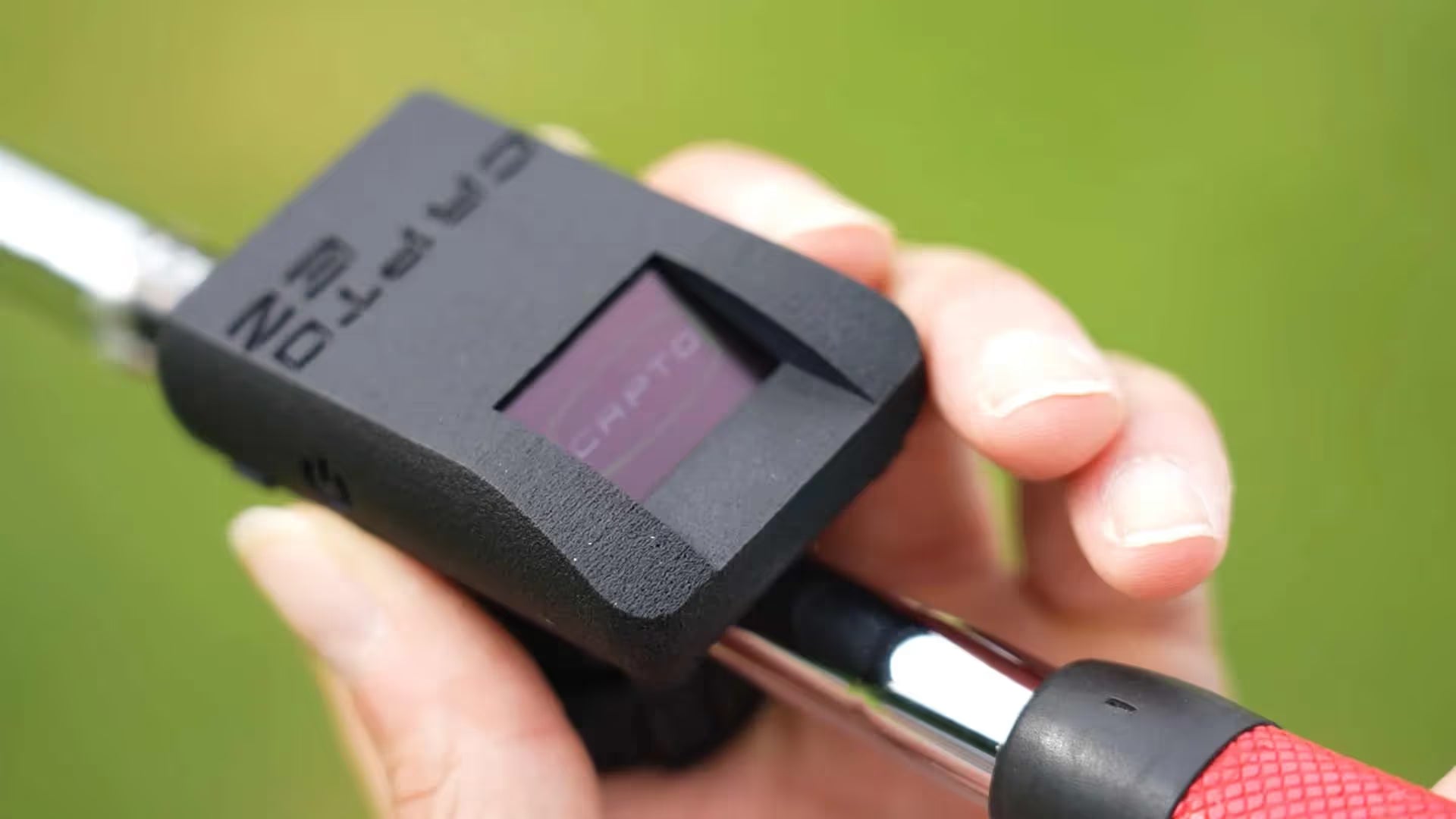
Attachment sensors, such as the Capto device, work by placing a high-frequency inertial measurement unit (IMU) directly onto the putter shaft. This method solves several of the core problems faced by coaches using external monitoring technology:
- Root Cause Measurement (3D Motion): An attached sensor is physically connected to the instrument being measured. It captures the putter's complex 3D motion directly throughout the entire arc (takeaway, impact, and follow-through). This provides the most precise measure of face rotation and path, information crucial for diagnosing the root cause of a stroke flaw.
- Unbeatable Consistency: Because the sensor moves with the club, the data remains perfect regardless of external factors like poor lighting, shadows, or ball position on the clubface. This intelligent autonomous system eliminates environmental variables, providing the coach with consistent, reliable numbers every time.
- Real-World Context: Putter sensors are intrinsically portable and lightweight. This allows the coach to take the exact same analysis tool out of the studio and onto a real putting green with breaks and slopes. This freedom ensures that technical adjustments are validated under true competition conditions.
When a top coach needs unquestionable data that they can trust in any environment, the professional standard remains the high-precision, direct measurement provided by an advanced putter attachment sensor.